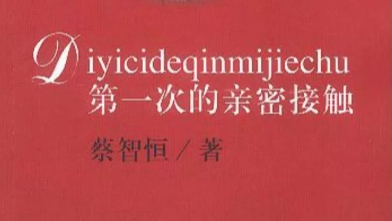
First Intimate Contact
Introduction
First Intimate Contact is a seminal work in the realm of online literature in China, marking the beginning of a new era in how literature is consumed and appreciated. Serialized on the internet in 1998, this work quickly became a cultural phenomenon among young readers, embodying the burgeoning trend of internet-based literature. Known as one of the unforgettable memories of youth for many, it signifies the transition from traditional to digital modes of literary engagement.
Historical Context
The late 1990s was a period of significant technological advancement in China, with the internet becoming increasingly accessible to the public. This accessibility allowed writers to publish their work online, reaching wider audiences without the constraints of traditional publishing. First Intimate Contact emerged in this context, capturing the imaginations of a generation that was beginning to engage with digital platforms for entertainment and expression.
The Rise of Online Literature
The publication of First Intimate Contact heralded the first era of online literature, wherein writers often wrote to fulfill personal emotional needs, choosing anonymity and rarely expecting monetary reward. This period was characterized by a lack of commercial structure, focusing primarily on the joy and freedom of sharing stories online. As the internet evolved, so did the opportunities for monetization, leading to a structured industry where writers could earn based on the volume and popularity of their work.
Transition to the 2.0 Era
Over two decades, the online literature industry in China has transitioned from its nascent stages to a more mature, commercially-driven phase often referred to as the "2.0 era." This new era is defined by the adaptation of popular literary works into various media forms such as films, TV series, games, and animations. It has opened new revenue streams for writers, who can now earn not only from online reading but also from royalties and adaptations, making the industry highly lucrative.
Industry Dynamics and Challenges
In this 2.0 era, the industry faces both opportunities and challenges. The boom in adaptations has led to a focus on content that prioritizes commercial viability over originality, resulting in issues like homogenization and reliance on formulaic writing patterns. As He Hong from the China Writers Association suggests, the vitality of literature is rooted in creativity, and writers are encouraged to maintain their passion for storytelling while resisting the temptation to produce diluted content for quick financial gain.
Regulatory Measures and Future Prospects
The rapid growth of the online literature industry has prompted regulatory bodies, like the National Radio and Television Administration, to implement measures ensuring that content aligns with mainstream values and does not harm the psychological development of young audiences. Companies like Alibaba Literature are optimistic about the future, aiming to make reading more accessible and enjoyable while supporting the industry's expansion.








